


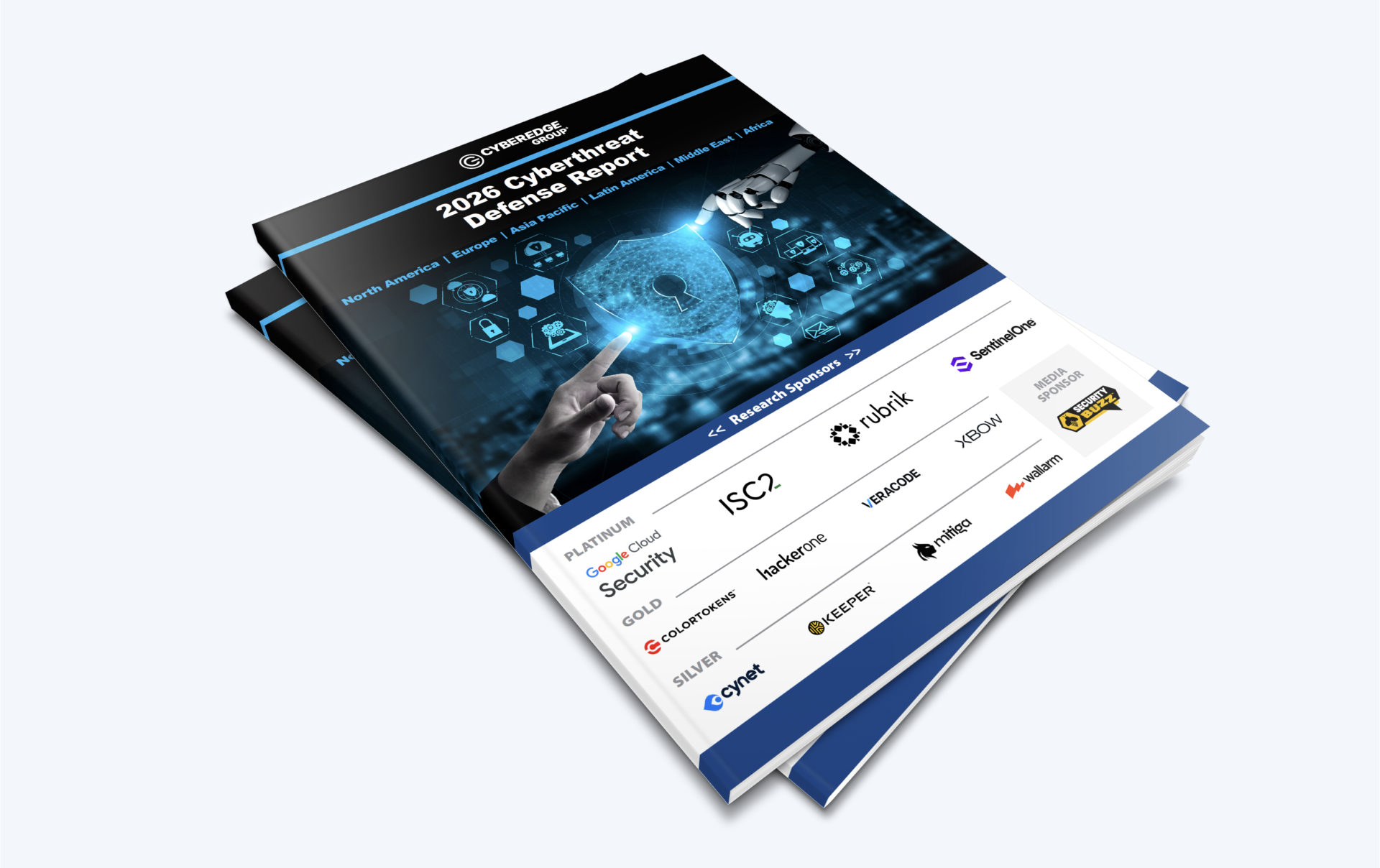
The newly released 2026 Cyberthreat Defense Report from CyberEdge Group paints a clear picture: artificial intelligence is no longer just a tool in cybersecurity—it’s a disruptive force reshaping both the threat landscape and the workforce defending against it.
Based on insights from 1,200 IT security professionals across 17 countries, the report highlights a pivotal shift in how organizations must think about risk, talent, and defense strategies in the AI era. The following are five key themes from this year’s report, followed by what these themes mean for IT security teams.
#1: AI Is Rewriting the Rules of Cybersecurity
The headline finding is hard to ignore: 80% of IT security professionals believe AI will significantly reduce the number of people needed for their roles, with nearly half expecting this change within two years.
At the same time, organizations are rapidly increasing their reliance on AI capabilities:
- 97% of hiring managers now require AI-related skills for new cybersecurity hires
- 46% report a rise in AI-driven malware, including adaptive and evasive threats
- Proprietary large language models (LLMs) are now viewed as the hardest systems to secure
This dual-use nature of AI is creating a high-stakes environment: defenders are leveraging AI to automate and strengthen security operations, while attackers are weaponizing it to become faster, stealthier, and more effective.
What this means for IT security teams
- Automation will replace routine tasks, forcing analysts to move up the value chain
- AI literacy is becoming mandatory, not optional
- Threat detection must evolve to keep pace with AI-generated attacks that adapt in real time
Organizations that fail to upskill their workforce risk falling behind both technologically and operationally.
#2: Talent Shortages Persist—But the Skillset Is Changing
Despite concerns about job displacement, the report underscores a continuing paradox: lack of skilled personnel remains the top barrier to cybersecurity success. The difference now is what kind of talent is needed.
Key shifts:
- Traditional security expertise alone is no longer enough
- Teams must blend security, data science, and AI engineering skills
What this means for IT security teams
- Invest in internal reskilling programs
- Prioritize AI-enabled security tools that reduce manual workload
- Build cross-functional teams that bridge IT, security, and data disciplines
#3: Ransomware and Risk: Old Threats, New Dynamics
While AI dominates the narrative, familiar threats haven’t gone away—they’ve intensified.
- 64% of organizations experienced ransomware attacks in the past year
- 55% of victims paid the ransom, up significantly from last year
- 61% recovered their data after payment, also an increase
What this means for IT security teams
Security teams must double down on:
- Backup and recovery strategies
- Zero trust architectures
- Incident response readiness
#4: Preparing for the Next Wave: Quantum and Governance
Beyond AI and ransomware, organizations are also looking ahead to the quantum computing era:
- 94% are preparing for quantum-related security risks
- 54% are actively developing mitigation strategies
- 53% now have board-level involvement in cyber risk committees
What this means for IT security teams
This signals a broader maturation of cybersecurity governance, where risk is no longer just an IT issue—it’s a business priority. Begin preparing for quantum-related security risks now, before it’s too late.
#5: Budgets Are Rising—But So Are Expectations
In a positive sign, 90% of organizations increased their cybersecurity budgets in 2026, with an average rise of 5.6%. However, increased funding comes with increased scrutiny.
What this means for IT security teams
Security leaders are now expected to:
- Demonstrate ROI on security investments
- Align cybersecurity with business outcomes
- Proactively manage emerging risks like AI and quantum computing
The Bottom Line
The 2026 Cyberthreat Defense Report makes one thing clear: cybersecurity is entering a new phase defined by intelligence—both human and artificial.
For IT security teams, success will depend on:
- Embracing AI as a force multiplier, not a threat
- Rapidly upskilling talent to meet new demands
- Building resilient, adaptive security architectures
- Preparing for long-term disruptions, from quantum computing to AI-driven attacks
Organizations that act now will be best positioned to defend against an increasingly complex and automated threat landscape.
Download Your Copy Now
Security Buzz is the proud media sponsor of the 2026 Cyberthreat Defense Report. Download your copy now to gain deeper insights into these and other cybersecurity trends. Then visit the sponsor websites below to learn how their products and services can help mitigate the risks of both existing and emerging cybersecurity threats.
Platinum Sponsors:
Google Cloud Security
ISC2
Rubrik
SentinelOne
Gold Sponsors:
ColorTokens
HackerOne
Veracode
XBOW